Herb
Black Walnut (Juglans nigra): Uses, Evidence and Safety
Also known asBlack walnut, American walnut Juglans nigra
On this pageWhat is black walnut?
- What is black walnut?
- What is black walnut traditionally used for?
- What does research show about black walnut?
- How is black walnut used?
- Is there a standard medicinal dose?
- What are the side effects?
- Does black walnut interact with medicines?
- Who should avoid black walnut supplements?
- Frequently asked questions
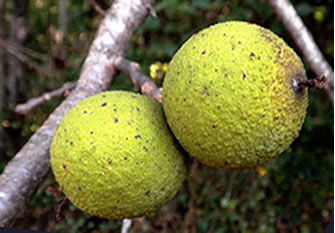
Black walnut, or Juglans nigra, is a North American tree that produces edible nuts. The kernels are foods, while herbal products often use the green hull or other parts of the plant.
Black-walnut hull is widely promoted online for parasites, fungal infections, and “cleansing,” but good human clinical evidence for these uses is lacking. Much of the scientific interest involves juglone, a plant compound studied in cells and experimental systems rather than as a proven human medicine.
What is black walnut?
Black walnut is a tree in the walnut family.
The edible nut is enclosed inside a hard shell and thick green outer hull.
The hull contains compounds not present at the same concentration in the food kernel.
What is black walnut traditionally used for?
Traditional preparations have been used for intestinal worms, skin problems, fungal conditions, and digestive complaints.
Modern commercial products often continue these claims.
Traditional history is not proof that a preparation eliminates parasites in people.
What does research show about black walnut?
Juglone and laboratory research
Juglone is a naphthoquinone found in Juglans species, especially black walnut.
Laboratory research describes antimicrobial, antifungal, antiproliferative, and other biological activity.
These effects have not established black-walnut hull supplements as safe or effective medicines.
Parasite and antifungal claims
Reliable human clinical trials showing that black-walnut hull eliminates intestinal parasites are lacking.
The same is true for many fungal-treatment claims.
Cancer claims
Juglone and related compounds can affect cancer cells in experimental systems.
That is not evidence that black-walnut tincture or hull powder treats cancer in people.
How is black walnut used?
The nut kernel is eaten as food.
Herbal products may contain green-hull tincture, dried hull powder, capsules, and combination “parasite cleanse” formulas.
Is there a standard medicinal dose?
There is no established evidence-based dose of black-walnut hull for parasites, infection, or cancer.
What are the side effects?
Human safety studies of concentrated hull products are limited.
The clearest well-established risk is walnut allergy.
Walnut allergy
Walnuts are tree nuts and can cause serious IgE-mediated allergy.
Reactions can include hives, swelling, vomiting, breathing difficulty, and anaphylaxis.
People with walnut allergy should avoid black-walnut products unless an allergy specialist has advised otherwise.
Does black walnut interact with medicines?
Good clinical interaction studies are not available for hull preparations.
Multi-herb “parasite cleanse” products may create additional interaction risks.
Who should avoid black walnut supplements?
Concentrated medicinal products deserve caution in people with walnut or tree-nut allergy, pregnant or breastfeeding people, children, people with significant liver or kidney disease, and people taking several medicines.
Frequently asked questions
Does black walnut kill parasites?
Laboratory activity does not establish that black-walnut hull reliably treats human intestinal parasites.
Is black walnut antifungal?
Juglone shows antifungal activity experimentally, but clinical effectiveness of hull supplements has not been established.
Is eating black walnuts the same as taking black-walnut hull?
No.
Can black walnut cause anaphylaxis?
Walnut allergy can cause severe anaphylaxis.
About this article
- Written by
- MedicalHealthGuide Editorial Team
- Updated