Herb
Ginger (Luya): Benefits, Uses and Side Effects
Zingiber officinale
On this pageWhat is ginger?
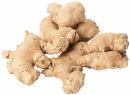
Ginger, or luya, is the rhizome of Zingiber officinale. It is widely used as both food and herbal medicine.
Human research is strongest for certain forms of nausea. Ginger may help nausea and vomiting during pregnancy and may reduce the severity of menstrual cramps. Evidence for motion sickness, chemotherapy-related nausea, and osteoarthritis is less consistent.
What is ginger?
Ginger is the underground stem, or rhizome, of a plant in the Zingiberaceae family.
It can be used fresh, dried, powdered, as tea, or in capsules or extracts.
Ginger is not turmeric. Both belong to the same plant family but are different species.
What is ginger traditionally used for?
Traditional uses include nausea, indigestion, colds, cough, and abdominal discomfort.
Modern research has concentrated mainly on nausea and pain.
What does research show?
Nausea during pregnancy
Research suggests that ginger may help nausea and vomiting associated with pregnancy.
Pregnant people considering ginger supplements should still discuss them with their healthcare provider.
Motion sickness and chemotherapy-related nausea
Most studies have not shown ginger to be particularly helpful for motion sickness.
For chemotherapy-related nausea and postoperative nausea, the evidence remains uncertain.
Ginger should not replace prescribed anti-nausea medicines when those are needed.
Menstrual cramps
Research suggests that ginger supplements may reduce the severity of primary menstrual cramps.
Severe or newly worsening menstrual pain still deserves evaluation.
Osteoarthritis
Some studies suggest modest improvement in knee osteoarthritis symptoms.
Much of this research is of limited quality.
How is ginger used?
Culinary ginger can be added to meals or drinks.
Supplements may contain dried ginger or extracts at much higher concentrations.
Food use and supplement use should not be treated as identical exposures.
Is there a standard medicinal dose?
There is no single universal dose for all ginger uses.
Clinical trials use different preparations and doses according to the condition studied.
What are the side effects?
Possible oral side effects include heartburn, abdominal discomfort, diarrhea, and irritation of the mouth or throat.
Ginger has generally been used safely in many clinical studies.
Does ginger interact with medicines?
Herb-drug interactions are possible, especially with concentrated supplements.
People taking regular prescription medicines should discuss medicinal-dose ginger with a healthcare professional.
Who should use ginger supplements cautiously?
Extra caution is reasonable during pregnancy when using supplements rather than food, breastfeeding because safety information is limited, and treatment with multiple prescription medicines.
Frequently asked questions
Does ginger help morning sickness?
Evidence suggests that ginger can help pregnancy-related nausea and vomiting.
Does ginger cure arthritis?
No. It may modestly reduce symptoms in some people with knee osteoarthritis, but it does not cure arthritis.
Is ginger good for motion sickness?
Most studies have not shown a clear benefit.
About this article
- Written by
- MedicalHealthGuide Editorial Team
- Updated