Herb
Lagundi / Vitex Negundo Herbal Medicine, Health Benefits, Uses, Side Effects
On this pageWhat is lagundi?
Lagundi is the Filipino name for Vitex negundo, also called the five-leaved chaste tree. Its leaves are used in Philippine herbal medicine, especially for cough.
Unlike many traditional herbal claims, lagundi has undergone Philippine clinical development and registered lagundi medicines are available for respiratory symptoms. This evidence should still be kept specific to the formulation and indication studied.
What is lagundi?
Vitex negundo is a shrub or small tree found across tropical and subtropical Asia and other regions.
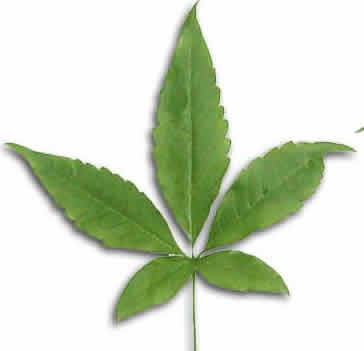
Its leaves are usually divided into several narrow leaflets, often five. This gives rise to the English name five-leaved chaste tree.
In the Philippines, lagundi is one of the medicinal plants promoted through government traditional-medicine programs.
What is lagundi traditionally used for?
Lagundi has been used traditionally for respiratory complaints, pain, inflammation, and other conditions.
Its most important modern Philippine use is for cough.
Traditional claims for fever, infection, arthritis, pain, or other illnesses should be assessed separately.
What does research show about lagundi?
Clinical relevance is strongest for respiratory use in the Philippines.
Evidence for cough
Philippine research programs have included clinical trials of lagundi syrup for acute cough.
Registered lagundi medicines are available in the Philippines for respiratory symptoms, and experimental research has also shown antitussive activity in animal models.
Evidence should not be generalized beyond the formulation and indication studied.
Evidence for asthma and bronchospasm
Some registered Philippine lagundi products are labeled for relief of mild to moderate reversible bronchospasm.
This should not be interpreted to mean that lagundi can replace a prescribed rescue inhaler, inhaled corticosteroid, or emergency asthma treatment.
Severe wheezing or breathing difficulty requires conventional medical care.
Other proposed uses
Laboratory and animal studies have reported anti-inflammatory, antioxidant, antimicrobial, and other effects.
These findings do not establish lagundi as a treatment for unrelated diseases.
How is lagundi used?
Lagundi is used as fresh or dried leaf preparations, decoctions, syrups, tablets, and standardized extracts.
These forms are not necessarily equivalent. Extract concentration and dose differ.
Is there a standard dose?
There is no single universal lagundi dose for every preparation.
Registered medicines have formulation-specific instructions. This is particularly important for children.
What are the side effects?
Reported adverse effects vary by product.
Philippine product information has reported itching, nausea, vomiting, and diarrhea with some tablet formulations.
An allergic reaction is also possible with any botanical product.
Does lagundi interact with medicines?
Reliable human interaction studies are limited.
Lagundi should not be used as a reason to stop prescribed respiratory medicine.
Who should avoid lagundi?
People with a known allergy to lagundi or a product ingredient should avoid that product.
Pregnancy and breastfeeding require caution because safety has not been adequately established.
Children should receive only age-appropriate products or preparations under suitable guidance.
When does a cough need medical care?
Prompt medical evaluation is important when cough occurs with significant breathing difficulty, blue lips or face, coughing up blood, severe chest pain, persistent high fever, confusion, or dehydration.
A cough that persists or repeatedly returns also deserves assessment.
Frequently asked questions
Is lagundi scientifically studied?
Yes. Philippine research programs have conducted clinical studies, and registered lagundi medicines are available in the Philippines.
Does lagundi help cough?
Lagundi has the strongest evidence and regulatory use for cough relief in the Philippine setting.
Can lagundi replace asthma medicine?
No.
Is lagundi safe during pregnancy?
Safety has not been adequately established.
About this article
- Written by
- MedicalHealthGuide Editorial Team
- Updated