Herb
Malunggay (Moringa): Nutrition, Health Benefits and Side Effects
Also known as“Malunggáy” in Philippines, “Sajina” in India, “Shojne” in Bengal, “Munagakaya” in Telugu, “Shenano” in Rajasthani, “Shevaga” in Marathi, “Nuggekai” in Kannada, “Drumstick Tree, Horse Radish Tree, Ben Oil Tree” in English, “La mu” in Chinese
On this pageWhat is malunggay?
- What is malunggay?
- What nutrients do moringa leaves provide?
- What does research show about moringa?
- How is moringa used?
- Is there a standard medicinal dose?
- What are the side effects of moringa?
- Does moringa interact with medicines?
- Who should use moringa supplements cautiously?
- Frequently asked questions
Malunggay, or Moringa oleifera, is a tropical tree whose leaves and immature pods are eaten as food. The leaves provide beta-carotene, vitamin C, calcium, iron, protein, and other nutrients.
Moringa is also promoted as a supplement for diabetes, cholesterol, inflammation, immunity, and many other conditions. Human research is much less convincing than these claims suggest. Most medicinal findings remain preliminary, and different plant parts should not be treated as interchangeable.
What is malunggay?
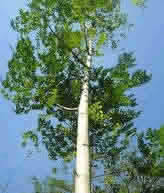
Malunggay is the Philippine name for Moringa oleifera, also called drumstick tree, horseradish tree, or ben oil tree.
Its leaves and immature pods are widely eaten. Other parts—including seeds, roots, bark, flowers, and extracts—have also been used in traditional medicine.
That distinction matters because each part contains a different mixture of compounds.
What nutrients do moringa leaves provide?
Cooked malunggay leaves are nutrient-dense and provide protein, dietary fiber, calcium, iron, beta-carotene, vitamin C, and other nutrients.
Nutrient levels can change with variety, maturity, storage, and cooking.
Moringa’s nutritional value does not mean it cures disease. Its role as a vegetable should be separated from claims made for concentrated powders or extracts.
What does research show about moringa?
Human studies exist, but they are generally small, short, and use different preparations.
Blood sugar and diabetes
Some small studies have suggested modest improvements in blood glucose after moringa leaf supplementation.
However, results have not been consistent. Moringa should not replace prescribed diabetes treatment.
Cholesterol and blood pressure
Small human studies have examined moringa for blood pressure and blood lipids.
Some findings have been favorable, but trial quality and consistency are not strong enough to establish moringa as a treatment for hypertension or high cholesterol.
Pregnancy, breastfeeding and nutrition
Moringa leaf supplementation has been studied during pregnancy and breastfeeding, particularly in populations at risk of nutritional deficiency.
This research mostly concerns leaf preparations used as nutritional supplements.
It should not be generalized to moringa root, bark, seed extracts, or concentrated medicinal products.
Other medicinal claims
Laboratory and animal studies have reported antioxidant, anti-inflammatory, antimicrobial, and other effects.
Claims that moringa treats cancer, infection, liver disease, asthma, or immune disorders go beyond current clinical evidence.
How is moringa used?
Moringa leaves are commonly cooked as a vegetable or added to soups.
Commercial products include dried leaf powder, capsules, teas, extracts, seed products, and oils.
These forms are not equivalent.
Is there a standard medicinal dose?
There is no universally established medicinal dose of moringa for treating diabetes, high blood pressure, cholesterol, or another disease.
Research doses should not be converted into a general supplement recommendation.
What are the side effects of moringa?
Moringa leaf products have generally been well tolerated in small clinical studies.
Possible digestive effects include nausea, abdominal discomfort, or diarrhea.
Rare liver injury has also been reported.
Anyone who develops jaundice, dark urine, severe fatigue, or persistent nausea after starting a moringa supplement should stop it and seek medical evaluation.
Does moringa interact with medicines?
Reliable human interaction data are limited.
Potential concern is greatest when moringa supplements are combined with medicines that affect blood glucose, blood pressure, or liver function.
Who should use moringa supplements cautiously?
Extra caution is appropriate for pregnant people considering concentrated medicinal preparations, people with liver disease, people taking diabetes medicines, people taking several prescription medicines, and children receiving concentrated supplements.
Ordinary food use of cooked moringa leaves is different from medicinal use of extracts.
Frequently asked questions
Is malunggay nutritious?
Yes. Cooked leaves provide beta-carotene, vitamin C, calcium, iron, protein, and other nutrients.
Does moringa cure diabetes?
No.
Is moringa safe for the liver?
Most people tolerate it, but rare clinically apparent liver injury has been reported.
Can pregnant women eat malunggay?
Moringa leaves are eaten as food in many cultures. Concentrated medicinal preparations are a different exposure and require more caution.
About this article
- Written by
- MedicalHealthGuide Editorial Team
- Updated