Herb
Tsaang Gubat Herbal Medicine: Uses, Evidence, Preparation and Side Effects
On this pageWhat is tsaang gubat?
- What is tsaang gubat?
- What is tsaang gubat traditionally used for?
- What does research show about tsaang gubat?
- How is tsaang gubat prepared?
- Is there a standard dose?
- What are the side effects?
- Does tsaang gubat interact with medicines?
- Who should avoid it?
- When does stomach pain need medical care?
- Frequently asked questions
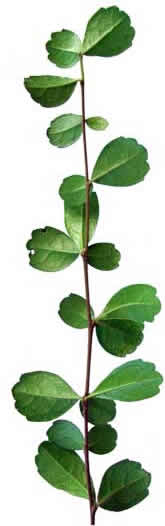
Tsaang gubat is a Philippine medicinal shrub commonly identified as Carmona retusa and also known in botanical literature as Ehretia microphylla. Its best-supported Philippine medicinal use is for mild gastrointestinal spasm or stomach pain.
Philippine clinical research has included comparisons of tsaang gubat preparations with conventional antispasmodic treatment in people with mild to moderate gastrointestinal or biliary colic.
What is tsaang gubat?
Tsaang gubat is an evergreen shrub found in the Philippines and other tropical parts of Asia.
Common names include Philippine tea, wild tea, Fukien tea tree, and chaang-gubat.
What is tsaang gubat traditionally used for?
Philippine traditional use centers on stomach discomfort and abdominal spasms.
It has also been used traditionally for diarrhea, mouth care, and skin complaints.
These categories should remain separate. A laboratory antibacterial effect does not mean tsaang gubat treats bacterial gastroenteritis.
What does research show about tsaang gubat?
Evidence for stomach cramps and spasms
Philippine medicinal-plant research has included controlled studies of tsaang gubat for gastrointestinal or biliary colic.
This supports the traditional antispasmodic use more directly than laboratory evidence does.
It does not establish that tsaang gubat treats appendicitis, gallbladder infection, ulcers, inflammatory bowel disease, or other causes of abdominal pain.
Other experimental findings
Laboratory work has examined antimicrobial and antidiarrheal effects.
These findings may explain some traditional uses, but human evidence is not strong enough to recommend tsaang gubat as a general treatment for diarrhea or infection.
How is tsaang gubat prepared?
Traditional Philippine preparations use a decoction of freshly chopped tsaang gubat leaves boiled in water and strained before drinking.
Commercial tablets or extracts should be used according to the instructions for that specific preparation.
Is there a standard dose?
Traditional age-based guidance exists for leaf decoctions, but the preparation is not generally recommended for young children.
This guidance applies to the described traditional preparation and should not be extrapolated to capsules or extracts.
What are the side effects?
Reliable modern human safety data are limited.
Unexpected symptoms such as nausea, worsening abdominal pain, rash, dizziness, or another reaction should prompt discontinuation and medical advice when appropriate.
Does tsaang gubat interact with medicines?
Well-designed human interaction studies are lacking.
Caution is reasonable in people taking several gastrointestinal medicines or prescription antispasmodics.
Who should avoid it?
Medicinal use deserves extra caution in young children, pregnancy, breastfeeding, people with unexplained recurrent abdominal pain, and people with serious gastrointestinal disease.
When does stomach pain need medical care?
Seek medical care for pain accompanied by persistent vomiting, blood in vomit or stool, black stool, fever, severe or increasing pain, a rigid or markedly swollen abdomen, fainting, or unexplained weight loss.
Frequently asked questions
Is tsaang gubat used for stomach pain?
Yes. Philippine traditional medicine recognizes antispasmodic use for stomach pain.
Does tsaang gubat cure diarrhea?
Preclinical antidiarrheal activity has been reported, but evidence is not strong enough to treat it as a universal diarrhea medicine.
Can it replace treatment for severe abdominal pain?
No.
About this article
- Written by
- MedicalHealthGuide Editorial Team
- Updated