Herb
Yerba Buena Herbal Medicine: Uses, Evidence, Side Effects and Warnings
Also known asHierba buena (Spain.), Minta (Italy), Minze (Germany), Marsh mint (English), Mint, peppermint (Engl.), Po-ho (China.)
On this pageWhat is yerba buena?
- What is yerba buena?
- What is yerba buena traditionally used for?
- What does research show about yerba buena?
- How is yerba buena used?
- Is there a standard medicinal dose?
- What are the side effects?
- Does yerba buena interact with medicines?
- Who should avoid medicinal yerba buena?
- Frequently asked questions
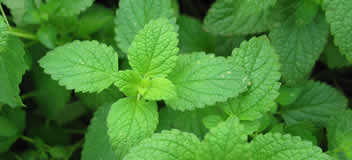
Yerba buena is a common name used for several aromatic mint plants. In the Philippine medicinal-herb program, yerba buena is used mainly as a pain-relieving herb. Philippine clinical research supports an analgesic, or pain-relieving, effect.
Evidence for other claims such as anticancer, antiviral, blood-pressure, or antiparasitic effects is mainly preclinical. These findings should not be presented as established treatments in people.
What is yerba buena?
Yerba buena means “good herb” in Spanish and is used as a common name for several mint species in different countries.
Philippine medicinal sources identify the plant under Mentha cordifolia or Mentha × villosa. Mentha arvensis, peppermint, and other mints are related plants, but their research should not automatically be treated as evidence for the Philippine herb.
What is yerba buena traditionally used for?
In Philippine traditional medicine, yerba buena has been used for pain, including toothache, headache, joint or muscle pain, and menstrual pain.
Traditional use for other conditions does not establish effectiveness.
What does research show about yerba buena?
Evidence for pain relief
Philippine clinical research supports analgesic use for specific yerba buena preparations.
The evidence is more specific than saying yerba buena is a general pain cure.
Evidence for other claimed benefits
Laboratory or animal research has reported antibacterial, antiviral, antiparasitic, antihypertensive, and antitumor activity.
These findings are preclinical and are not evidence that yerba buena treats cancer, infection, hypertension, or parasites in people.
How is yerba buena used?
Yerba buena leaves may be prepared as a decoction or used externally in traditional practice.
Commercial mint oils are different products. Concentrated essential oils contain much larger amounts of volatile compounds than ordinary leaf preparations.
Is there a standard medicinal dose?
There is no single universal dose that applies to every plant sold as “yerba buena.”
Botanical identity matters before interpreting a herbal dose.
What are the side effects?
Safety depends on the species and preparation.
Ordinary mint leaf preparations are generally less concentrated than essential oils.
Concentrated peppermint oil can cause heartburn, nausea, abdominal discomfort, dry mouth, skin irritation, or allergic reactions.
Essential oil should not be put on the face of infants or young children.
Does yerba buena interact with medicines?
Well-characterized interaction studies for Philippine yerba buena are limited.
This should be interpreted as an evidence gap, not proof of no interactions.
Who should avoid medicinal yerba buena?
Extra caution is appropriate for pregnant or breastfeeding people, infants and young children, people with known mint allergy, people using concentrated essential oils, and people taking multiple medicines.
Persistent tooth pain also should not be repeatedly treated with herbs.
Frequently asked questions
Is yerba buena the same as peppermint?
Not necessarily. “Yerba buena” is a common name applied to different mint species.
Does yerba buena relieve pain?
Philippine clinical research supports analgesic activity for specific preparations.
Does it cure toothache?
It may reduce pain, but it does not necessarily treat the cause of toothache.
Is yerba buena proven to treat cancer?
No.
About this article
- Written by
- MedicalHealthGuide Editorial Team
- Updated