Nutrition guide
Siling Labuyo: Capsaicin Benefits, Uses and Side Effects
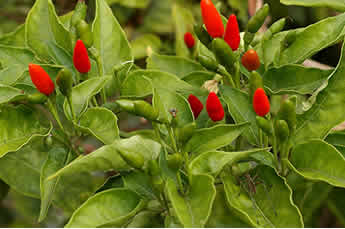
On this pageWhat is siling labuyo?
Siling labuyo is a small, hot chili generally classified as Capsicum frutescens. Like other hot chilies, it contains capsaicin, the compound responsible for much of its burning sensation.
Capsaicin has legitimate medical uses for certain types of pain when applied to the skin in standardized formulations. That evidence does not mean eating siling labuyo treats arthritis, gout, fibromyalgia, or nerve disease.
What is siling labuyo?
Siling labuyo is a pungent chili grown and used widely in the Philippines.
It is eaten fresh, dried, pickled, or mixed into sauces and condiments.
The fruit contains capsaicinoids, with capsaicin the best known.
What makes siling labuyo hot?
Capsaicin activates a nerve receptor called TRPV1.
TRPV1 helps nerve cells detect heat and painful stimuli. Capsaicin initially stimulates these nerve endings, producing a burning sensation.
With controlled repeated or high-concentration topical exposure, the affected nerve endings become less responsive for a period.
What does research show about capsaicin?
The strongest clinical evidence concerns topical capsaicin, not whole chili peppers eaten as food.
Neuropathic pain
High-concentration prescription capsaicin patches are used for selected types of neuropathic pain in adults, including postherpetic neuralgia and diabetic peripheral neuropathy.
These products must be administered by healthcare professionals.
Osteoarthritis pain
Topical lower-concentration capsaicin has also been studied for osteoarthritis.
Systematic reviews suggest possible pain reduction compared with placebo, although evidence certainty is limited and burning at the application site is common.
What eating chili has not been proven to treat
Eating siling labuyo should not be presented as an established treatment for arthritis, gout, fibromyalgia, diabetic neuropathy, cancer, or infection.
How is siling labuyo used?
The most common use of siling labuyo is culinary.
Medical capsaicin is available in standardized topical forms such as creams and high-concentration patches.
These forms should not be confused.
Is there a medicinal dose?
There is no established medicinal dose of whole siling labuyo fruit for pain or another disease.
Standardized capsaicin products have product-specific concentrations and directions.
What are the side effects of capsaicin?
Capsaicin’s main adverse effects are related to irritation and burning.
Skin and eye exposure
Capsaicin can strongly irritate skin, eyes, nose, mouth, throat, and respiratory tract.
Raw chili should not be applied directly to painful joints, broken skin, eyes, or other sensitive areas.
Eating very spicy chili
Eating hot chili can cause burning in the mouth, stomach discomfort, reflux symptoms, nausea, and diarrhea in susceptible people.
Does capsaicin interact with medicines?
For regulated topical preparations, systemic drug interactions are considered unlikely because absorption is low.
That does not establish that concentrated oral capsaicin supplements are interaction-free.
Who should use capsaicin with caution?
Extra caution is appropriate for people with damaged or highly sensitive skin, people who cannot reliably sense heat or pain in the treated area, children, people using concentrated capsaicin products, and anyone applying capsaicin near the eyes or mucous membranes.
Frequently asked questions
Is siling labuyo good for arthritis pain?
Clinical evidence supports some topical capsaicin products for pain. Eating siling labuyo has not been shown to provide the same therapeutic effect.
Can I rub raw chili on a painful joint?
This is not recommended.
Does capsaicin help diabetic nerve pain?
A high-concentration prescription capsaicin patch is used for selected neuropathic pain in adults.
Is eating chili the same as using capsaicin cream?
No.
About this article
- Written by
- MedicalHealthGuide Editorial Team
- Updated