Nutrition guide
Saluyot (Jute Leaves): Nutrition, Health Benefits and Safety
Corchorus olitorius
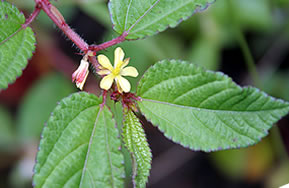
On this pageWhat is saluyot?
- What is saluyot?
- What nutrients do jute leaves provide?
- What health benefits are supported by evidence?
- How is saluyot prepared and eaten?
- Is there a medicinal dose?
- What are the side effects?
- Does saluyot interact with medicines?
- Who should use saluyot products cautiously?
- Frequently asked questions
Saluyot is the leafy vegetable Corchorus olitorius, also called jute mallow, Jew’s mallow, or Egyptian spinach. It is a useful source of fiber, beta-carotene, calcium, potassium, iron, and other nutrients.
Its strongest evidence-based role is as food. Human research does not establish saluyot as a treatment for diabetes, including gestational diabetes.
What is saluyot?
Saluyot is a green leafy plant grown throughout tropical Africa and Asia.
The leaves become slightly mucilaginous, or slippery, when cooked. This texture is similar to okra and is valued in soups and stews.
The same species is also grown for jute fiber in some regions.
What nutrients do jute leaves provide?
Saluyot leaves provide protein, dietary fiber, calcium, iron, potassium, beta-carotene, vitamin C, and other nutrients.
Cooking changes some nutrient values, but boiled leaves remain nutrient-dense.
What health benefits are supported by evidence?
Benefits as a leafy vegetable
Saluyot can contribute fiber, minerals, carotenoids, and vitamin C to the diet.
Eating nutrient-rich vegetables is part of a healthy dietary pattern. That does not prove that saluyot has a unique ability to prevent or cure disease.
Does saluyot treat diabetes?
There is not enough clinical evidence to recommend saluyot as a diabetes treatment.
The legacy claim that saluyot can be used for gestational diabetes is not retained.
Gestational diabetes requires appropriate glucose monitoring, nutrition care, and medication when needed.
What medicinal research has been done?
Researchers have studied Corchorus olitorius extracts for antioxidant, metabolic, anti-inflammatory, antimicrobial, and other effects.
Much of this work has been performed in laboratory or animal models.
Limited human research on specialized seed preparations should not be generalized to the leaves eaten as a vegetable.
How is saluyot prepared and eaten?
Saluyot leaves are commonly boiled or cooked in soups, stews, and vegetable dishes.
As with other leafy vegetables, good food hygiene includes washing leaves and cooking them appropriately.
Is there a medicinal dose?
There is no established medicinal dose of saluyot leaves for diabetes, inflammation, wound healing, or another medical condition.
A serving used as food is not the same as a dose of a concentrated extract.
What are the side effects?
Saluyot eaten as a normal food is generally well tolerated.
Specific clinical safety data for concentrated saluyot extracts are much more limited.
Does saluyot interact with medicines?
No well-established medicine interactions have been identified for ordinary food amounts.
Concentrated extracts have not been studied well enough to assume they cannot interact with medicines.
Who should use saluyot products cautiously?
Ordinary cooked saluyot can be part of a normal diet for most people.
More caution is appropriate with concentrated herbal products in pregnancy, breastfeeding, young children, people taking several medicines, and people with significant chronic disease.
Frequently asked questions
Is saluyot nutritious?
Yes. It provides beta-carotene, calcium, potassium, fiber, and other nutrients.
Does saluyot treat gestational diabetes?
No reliable clinical evidence supports using saluyot as a treatment for gestational diabetes.
Is boiled saluyot still nutritious?
Yes.
Has saluyot been tested in people?
Limited human research exists for specialized preparations, but this does not establish medicinal effects from eating the leaves.
About this article
- Written by
- MedicalHealthGuide Editorial Team
- Updated