Nutrition guide
Mangosteen (Garcinia mangostana): Health Benefits, Evidence and Side Effects
Also known asFruit de Rois, Jus de Xango, Manggistan, Mangostao, Meseter, Xango, Mangkhut, Purple Mangosteen, Queen of Fruit, Semetah
On this pageWhat is mangosteen?
- What is mangosteen?
- What nutrients does mangosteen provide?
- What does research show about mangosteen?
- How are mangosteen supplements different from the fruit?
- Is there a standard medicinal dose?
- What are the side effects and safety concerns?
- Can mangosteen interact with medicines?
- Who should avoid mangosteen supplements?
- Frequently asked questions
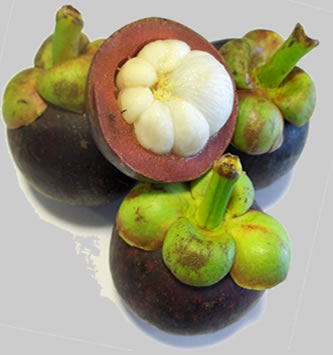
Mangosteen, or Garcinia mangostana, is a tropical fruit with soft white flesh inside a thick purple rind. The edible fruit can be part of a normal diet. Most medicinal claims, however, involve concentrated mangosteen peel or pericarp extracts, which contain xanthones such as alpha-mangostin.
Human studies are limited. Some small trials have reported changes in insulin resistance or inflammatory markers, but there is not enough evidence to establish mangosteen as a treatment for diabetes, obesity, cancer, infection, or another disease.
What is mangosteen?
Mangosteen is an evergreen tropical tree native to Southeast Asia.
The fruit has two very different parts: a thick purple rind, or pericarp, and soft white edible segments inside.
Most experimental research on xanthones uses compounds extracted from the rind rather than the fruit flesh people normally eat.
What nutrients does mangosteen provide?
Mangosteen is mainly a source of carbohydrate, water, and small amounts of fiber and micronutrients.
Its nutritional value should not be confused with the much higher concentrations of xanthones found in commercial peel extracts.
What does research show about mangosteen?
Human evidence remains preliminary and varies by preparation.
Blood sugar and insulin resistance
Small randomized studies in people with obesity and insulin resistance have reported possible improvement in insulin-resistance measures.
The findings require confirmation in larger studies.
Inflammation and immune claims
Small studies of proprietary mangosteen juice blends have reported changes in selected inflammatory markers.
Multi-ingredient products make it difficult to determine whether mangosteen itself caused the effect.
Cancer and other laboratory research
Alpha-mangostin and other xanthones have shown antiproliferative, antioxidant, and anti-inflammatory activity in cells and animals.
These findings do not show that mangosteen fruit, tea, juice, or supplements treat cancer in people.
How are mangosteen supplements different from the fruit?
Supplements may contain concentrated extracts of the rind rather than edible fruit pulp.
Products include pericarp powders, concentrated capsules, xanthone extracts, and blended juices.
A safety finding for ordinary fruit cannot automatically be applied to a concentrated extract.
Is there a standard medicinal dose?
There is no established universal medicinal dose for mangosteen.
Clinical trials have used study-specific preparations and doses.
What are the side effects and safety concerns?
Short clinical trials have generally reported few major adverse effects, but long-term safety of concentrated extracts remains uncertain.
A published case report described severe lactic acidosis associated with prolonged use of a mangosteen juice supplement. A single report cannot determine how often this occurs, but it shows that concentrated products should not be assumed harmless.
Can mangosteen interact with medicines?
Possible drug interactions have not been well characterized in clinical trials.
Laboratory research shows that mangosteen xanthones can affect drug-metabolizing enzymes.
People taking medicines with narrow safety margins should discuss concentrated mangosteen products with a clinician or pharmacist.
Who should avoid mangosteen supplements?
Extra caution is appropriate for pregnant or breastfeeding people, children, people taking several prescription medicines, and people with serious kidney, liver, or metabolic disease.
Ordinary fruit consumption is a different question from high-dose supplement use.
Frequently asked questions
Is mangosteen good for diabetes?
Small studies suggest possible effects on insulin resistance or blood glucose, but evidence is not strong enough to replace established diabetes treatment.
Are mangosteen xanthones proven antioxidants?
They show antioxidant activity in experimental research. That does not establish a clinical benefit from taking xanthone supplements.
Does mangosteen cure cancer?
No.
Is mangosteen fruit safer than mangosteen extract?
Ordinary food exposure is generally much lower than exposure from concentrated rind extracts.
About this article
- Written by
- MedicalHealthGuide Editorial Team
- Updated