Nutrition guide
Papaya: Nutrition, Digestive Uses, Dengue Evidence and Safety
On this pageWhat is papaya?
- What is papaya?
- What nutrients does ripe papaya provide?
- What does research show?
- How are papaya fruit and leaf products different?
- Is there a medicinal dose?
- What are the side effects?
- Papaya allergy and latex cross-reactivity
- Who should use papaya supplements cautiously?
- Frequently asked questions
Papaya, or Carica papaya, is a tropical fruit that provides vitamin C, carotenoids, folate, fiber, and other nutrients.
Medicinal claims need to distinguish ripe papaya fruit from papain enzyme products and papaya leaf extracts. Papaya leaf extract has been studied in dengue because it may increase platelet counts, but current evidence does not establish that it prevents serious dengue complications or mortality.
What is papaya?
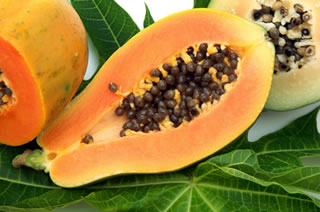
Papaya is a tropical fruit with orange or yellow flesh and black seeds when ripe.
Papain and related enzymes are found particularly in latex from unripe fruit.
Leaves are also used in traditional preparations.
What nutrients does ripe papaya provide?
Ripe papaya is a nutrient-rich fruit containing vitamin C, carotenoids, folate, potassium, and dietary fiber.
Its food value should not be confused with medicinal claims made for leaf extracts.
What does research show?
Digestive symptoms
Small studies of commercial fermented papaya preparations have reported improvement in constipation and bloating.
These studies do not establish ordinary papaya as treatment for all gastrointestinal disorders.
Papaya leaf extract and dengue
Several trials have reported faster increases in platelet counts with papaya leaf extract.
However, systematic reviews find the evidence to be low quality and the clinical importance of platelet increases unclear because major outcomes such as serious complications and mortality are inadequately studied.
Papaya leaf extract should not delay standard dengue monitoring and supportive care.
Cancer and other claims
The legacy claim that papaya prevents cancer and aging is too strong.
Nutrients and phytochemicals in papaya do not establish the fruit as a cancer preventive or treatment.
How are papaya fruit and leaf products different?
Products can include ripe fruit, unripe fruit, papain enzyme preparations, leaf juice, and standardized leaf extract.
Evidence from one form cannot automatically be transferred to another.
Is there a medicinal dose?
There is no universal papaya medicinal dose.
Dengue trial doses should not be converted into homemade leaf-juice instructions.
What are the side effects?
Ripe papaya is safe as food for most people.
Papaya leaf products have generally been tolerated over short periods in studies, but longer-term safety and interaction data are limited.
Papaya allergy and latex cross-reactivity
Papaya can trigger IgE-mediated allergy.
Papain and papaya proteins may cross-react with natural rubber latex allergens.
Who should use papaya supplements cautiously?
Extra caution is appropriate for people with latex allergy, pregnant or breastfeeding people considering concentrated leaf or papain preparations, and people taking several medicines.
Frequently asked questions
Does papaya leaf cure dengue?
No. Some trials show increased platelet counts, but evidence is insufficient to establish improved major clinical outcomes.
Is papaya good for digestion?
Ripe papaya is a fiber-containing fruit, and some commercial preparations have been studied for digestive symptoms.
Can papaya cause allergy?
Yes, especially in some people with latex allergy.
About this article
- Written by
- MedicalHealthGuide Editorial Team
- Updated